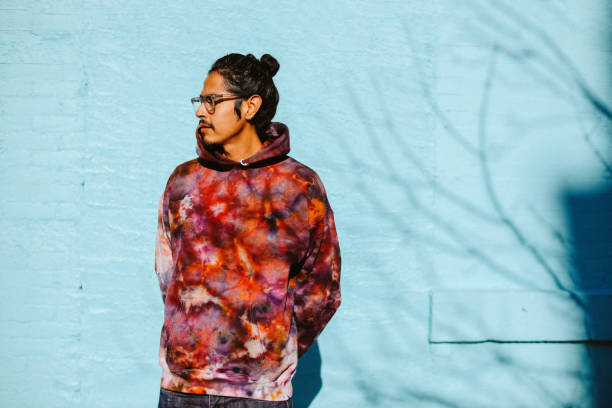
Oversized Splatter Paint Hoodie: 3 Manufacturing Methods Compared
For streetwear brands, private-label apparel buyers, and clothing wholesalers, an oversized splatter paint hoodie combines relaxed silhouettes with distinctive distressed graphics. However, achieving the right paint-splatter effect requires more than choosing a design file. The manufacturing method determines the garment’s texture, visual variation, wash durability, production cost, and consistency across bulk orders.
Three common techniques create splatter-style effects: manual hand-splattering, chemical discharge processing, and simulated splatter printing using screen printing or direct-to-garment (DTG) technology.
Although these methods can produce similar visual patterns, their results differ significantly. Manual splattering creates organic variations and potentially raised texture, discharge processing produces soft, faded effects, and printing offers greater repeatability.
For B2B buyers, understanding these differences helps match the manufacturing process to the brand’s positioning, target price, and quality requirements.
1. Manual Splatter vs. Discharge vs. Printed Splatter: What Is the Difference?
Before requesting samples or bulk quotations, buyers should compare the three manufacturing methods across appearance, hand feel, scalability, and quality control.
| Manufacturing method | How it works | Visual and tactile characteristics | Cost and scalability | Best suited for |
|---|---|---|---|---|
| Manual hand-splattering | Applies textile-compatible paint or pigment to individual garments | Organic droplet placement, varied splatter density, and potentially raised texture | More labor-intensive; requires individual garment handling | Premium streetwear, distressed hoodies, and limited-edition collections |
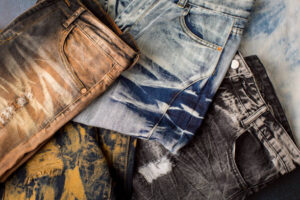
| Chemical discharge splattering | Applies a suitable discharge agent to remove or alter the base dye locally | Soft, faded effects with little additional surface buildup | Requires compatible fabric, dye chemistry, and controlled processing | Vintage-inspired hoodies and soft-hand distressed designs |
| Screen or DTG splatter printing | Prints a fixed splatter graphic onto fabric panels or finished garments | Repeatable graphic placement and a finish determined by the ink and printing process | Efficient for repeatable designs; economics depend on order size and setup | Promotional apparel, large-volume orders, and standardized collections |
The right choice depends on the intended result rather than the visual pattern alone.
For example, a premium streetwear brand may prioritize irregular paint droplets and tactile depth. A brand developing a soft vintage aesthetic may prefer discharge effects. Meanwhile, a wholesaler supplying standardized merchandise may value the repeatability of printed graphics.
2. How Each Splatter Hoodie Manufacturing Method Works
Method 1: Manual Hand-Splattering for Authentic Streetwear Effects
Manual hand-splattering creates a distressed appearance by applying specialized textile pigments or paints directly to the garment. Depending on the design, the process may follow garment dyeing, washing, or other finishing treatments.
A typical production workflow is:
Garment preparation → Dyeing or washing, if required → Manual splatter application → Drying and curing → Quality inspection
Key characteristics
- Organic appearance: Technicians create varied droplet sizes, densities, and placement patterns.
- Textural depth: Properly formulated textile pigments can leave visible surface texture or raised droplets.
- Individual variation: Each garment may differ slightly because the application process involves manual movement.
- Additional handling: Individual application and curing can increase labor requirements and processing time.
For premium streetwear, these variations can contribute to the intended distressed aesthetic. However, natural variation should not become an excuse for uncontrolled production quality.
Buyers should approve a physical reference sample and define acceptable ranges for splatter density, droplet size, color, and placement. They should also specify which garment areas must remain clean.
Important quality consideration: The paint formulation, fabric composition, curing conditions, and subsequent washing all affect durability. A raised finish does not automatically indicate good adhesion or wash fastness.
Method 2: Chemical Discharge Splattering for a Soft Vintage Finish
Chemical discharge processing creates a localized color change by removing or altering the existing dye in selected fabric areas. Instead of building up a layer of paint, the process changes the underlying coloration.
A typical workflow is:
Compatible dyed fabric or garment → Discharge application → Controlled processing and rinsing → Neutralization or other required treatment → Drying and inspection
The exact sequence depends on the discharge chemistry, dye system, fabric composition, and factory process.
Key characteristics
- Soft hand feel: The effect generally adds less surface buildup than conventional pigment splattering.
- Faded appearance: The resulting marks can resemble naturally worn or aged fabric.
- Breathability: Because the visual effect comes primarily from changing the base color rather than adding a thick surface layer, the original fabric texture can remain more apparent.
- Material compatibility requirements: Results depend on the dye and substrate, so the process requires sample testing before bulk production.
Cotton is commonly used for discharge-style treatments, but not every cotton garment or dye system produces the same result. Buyers should confirm the fabric composition, dye compatibility, final color, and any effects on garment strength or hand feel.
Chemical discharge processing also requires appropriate chemical handling, wastewater controls, and production safety procedures.
For brands that prioritize a soft, faded appearance over raised paint texture, discharge processing can be a suitable option.
Method 3: Screen Printing and DTG for Repeatable Splatter Graphics
Screen printing and direct-to-garment printing can reproduce a paint-splatter design from approved artwork. Rather than creating each pattern through manual application, the factory prints the same graphic layout across production units.
A typical workflow is:
Artwork preparation → Screen setup or DTG file preparation → Garment or panel printing → Required drying or curing → Quality inspection
Key characteristics
- Repeatable placement: A fixed artwork file helps maintain consistent splatter locations and shapes.
- Scalable production: Printing can support repeat orders and standardized designs.
- Controlled color and layout: Buyers can specify graphic dimensions, colors, and placement through a technical pack.
- Process-dependent hand feel: Print thickness, ink type, coverage, and curing determine whether the finished graphic feels soft, smooth, or raised.
Screen printing and DTG are not identical processes. Their setup requirements, production speeds, suitable order quantities, and achievable finishes vary.
A printed splatter design may reproduce an irregular paint pattern visually, but it will not necessarily replicate the physical texture of individually applied paint droplets.
For mass-market collections and price-sensitive programs, printed splatter can be a practical solution when repeatability matters more than hand-applied variation.
3. How to Choose the Right Splatter Technique for Your Hoodie Collection
The best process depends on your brand identity, target retail price, fabric specifications, order volume, and quality expectations.
| Buyer requirement | Recommended method to evaluate | Main reason | What to confirm before ordering |
|---|---|---|---|
| Premium, handcrafted streetwear aesthetic | Manual hand-splattering | Creates organic placement and potential tactile depth | Acceptable variation, texture, curing, and wash durability |
| Soft vintage or faded appearance | Chemical discharge splattering | Changes the base color with limited added surface buildup | Fabric and dye compatibility, shade consistency, and fabric integrity |
| Standardized graphics across large orders | Screen printing or DTG | Reproduces approved artwork more consistently | Print registration, color accuracy, print hand feel, and production economics |
| A combination of visual variation and repeatability | Hybrid development using a defined base graphic and controlled finishing | Can balance artwork consistency with a distressed appearance | Process sequence, sample approval, and measurable tolerances |
How Does the Manufacturing Method Affect Cost?
Manual hand-splattering generally requires more individual handling than printing a standardized graphic. This can increase labor costs and extend production time, especially when the design includes many colors or complex placement requirements.
However, the cost difference depends on order quantity, garment construction, print area, finishing steps, labor rates, and factory capabilities.
A percentage premium should therefore be treated as a quotation-specific estimate rather than a universal industry rule.
For a meaningful comparison, request quotations based on the same hoodie fabric, garment weight, artwork dimensions, color count, order quantity, packaging, and quality requirements.
How Does the Manufacturing Method Affect Wash Durability?
Wash durability depends on more than the visual technique. Relevant factors include pigment or ink formulation, dye chemistry, curing conditions, fabric composition, and washing procedures.
- For manual splatter finishes, the factory should demonstrate that the pigment adheres properly and resists unacceptable cracking, flaking, or color loss.
- For discharge processing, buyers should check color consistency, residual chemical control, and any changes in fabric strength or appearance.
- For screen and DTG printing, verify ink adhesion, curing, color retention, and resistance to cracking under the agreed laundering conditions.
The correct acceptance criteria should reflect the product’s intended use and the applicable test method.
4. How to Set IQC Standards for Custom Splatter Paint Hoodies
One of the most common procurement mistakes is applying the same visual acceptance rules to every splatter technique.
A manually splattered hoodie should not necessarily match every droplet in a digital artwork file. Conversely, a printed design should not show uncontrolled shifts in placement or color when repeatability is part of the approved specification.
B2B buyers should define separate visual and performance requirements for each process.
Step 1: Approve a Physical Reference Sample
The approved sample should represent the intended garment silhouette, fabric, base color, splatter method, print or pigment finish, and washing treatment.
For manual splattering, approve a representative sample set if individual variation is part of the design. One garment may not adequately demonstrate the acceptable range.
Step 2: Define Splatter Coverage and Placement
Document the expected splatter distribution rather than relying only on subjective terms such as “random” or “vintage.”
Relevant inspection criteria include:
- Overall splatter coverage across specified garment panels.
- Droplet size distribution and density.
- Placement around the hood, sleeves, chest, back, and hem.
- Color consistency and contrast against the base fabric.
- Restricted areas where splatter is not permitted.
- Acceptable variation between garments.
If a coverage range such as 15%–25% is proposed, treat it as a buyer-defined starting point, not a universal industry standard. Confirm the measurement method and acceptable limits during sample approval.
Step 3: Verify Surface Finish and Hand Feel
Inspect the garment under consistent lighting and compare it with the approved reference.
a. For hand-splattered products, check whether the texture matches the intended finish and whether the pigment shows signs of poor adhesion.
b. For discharge finishes, assess softness, fading, and the condition of the treated fabric.
c. For printed graphics, check registration, print coverage, edge definition, and unwanted ink buildup.
Step 4: Confirm Wash Fastness and Finish Durability
Specify the required laundering procedure and test method before production. Where appropriate, ISO 105-C06 can be used to assess color fastness to domestic and commercial laundering under defined conditions.
However, a color fastness grade does not automatically establish resistance to paint flaking, cracking, abrasion, or other finish-specific failures. These properties may require additional evaluation.
For bulk orders, agree on acceptance limits for color change, staining, adhesion, cracking, and visible deterioration. Apply the same approved test conditions to the relevant samples.
Step 5: Inspect Production Consistency
Compare production garments with the approved sample or approved sample range.
For manual finishes, distinguish intentional variation from defects such as excessive paint accumulation, missing design areas, or poorly cured pigments.
For printed finishes, prioritize artwork placement, registration, color consistency, and repeatability.
Document inspection findings and resolve disagreements before shipment rather than relying on subjective judgments after delivery.
5. B2B FAQs About Oversized Splatter Paint Hoodies
Q1: Can manually splattered hoodies be 100% identical?
Not reliably. Manual application naturally introduces variation in droplet placement, size, and density.
Buyers should define an acceptable range and approve representative samples. The aim is to preserve the intended handmade appearance while maintaining control over major visual differences and manufacturing defects.
Q2: How much more expensive is manual splattering than printed splatter?
Manual splattering often involves more labor and individual garment handling than standardized printing. However, the exact premium depends on the artwork, order quantity, finishing requirements, and factory process.
Request a like-for-like quotation instead of applying a fixed percentage to every order.
Q3: Will paint splatters wash off after a few laundry cycles?
They should not deteriorate beyond the agreed acceptance limits when the correct materials and process are used. However, durability cannot be guaranteed by the curing temperature or ink type alone.
Ask the supplier to provide relevant wash-test evidence for the actual fabric and finish. Check for color loss, staining, cracking, and flaking under defined test conditions.
Q4: Is discharge splattering suitable for every hoodie fabric?
No. Discharge results depend on fabric composition, the original dye, and chemical compatibility.
Cotton garments may be suitable for many discharge processes, but buyers should confirm the specific construction and approve samples before bulk production. Blended fabrics may produce different or less predictable results.
Q5: Which splatter method is best for large wholesale orders?
There is no single best method for every program.
Screen printing or DTG may suit orders that prioritize standardized graphics, while manual splattering may better support premium collections that value handcrafted variation. Discharge processing may suit designs that prioritize a soft, faded appearance.
Compare the expected visual result, unit cost, production capacity, lead time, and durability requirements before selecting the method.
6. Key Takeaways for Custom Streetwear Production
Choosing the right manufacturing technique is essential when developing an oversized splatter paint hoodie for wholesale or private-label production.
- Match the process to the design: Manual splattering creates organic texture, discharge processing creates localized fading, and printing supports repeatable graphics.
- Define controlled inconsistency: Hand-applied finishes need agreed variation limits rather than exact artwork matching.
- Compare costs using the same specifications: Order quantity, garment weight, artwork, and finishing requirements all influence pricing.
- Verify wash durability: Use defined test methods and inspect for color loss, staining, cracking, and flaking.
- Approve samples before bulk production: Confirm fabric, color, texture, placement, and finishing requirements.
- Use process-specific IQC criteria: Evaluate manual, discharge, and printed effects according to their actual manufacturing characteristics.
Develop Your Custom Oversized Splatter Paint Hoodie
For streetwear brands, apparel wholesalers, and private-label buyers, successful distressed hoodie production starts with selecting the right process and translating the design into clear manufacturing specifications.
Before placing a bulk order, share your reference images, fabric requirements, hoodie weight, target quantity, color palette, and preferred splatter effect with your manufacturer. Request samples and confirm the agreed visual tolerances and durability requirements before production.