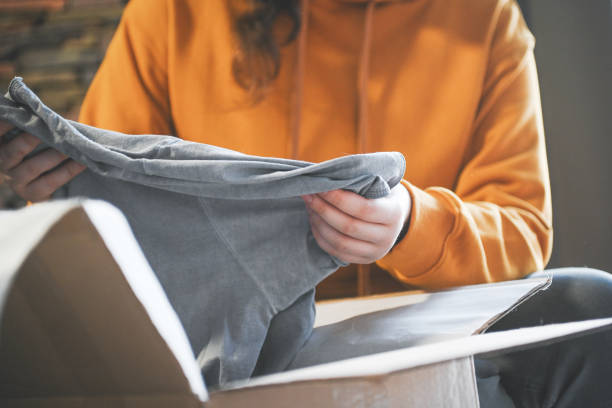
For apparel brands, retailers, and sourcing teams, placing custom apparel orders involves more than approving a product sample. The real quality challenge begins when a supplier moves from sample development to bulk manufacturing.
Differences in fabric, color, workmanship, and shrinkage can create a gap between the approved sample and the final shipment. If these variations are not controlled, they may lead to product returns, customer complaints, and a serious loss of trust between buyers and manufacturers.
For this reason, buyers should establish clear quality standards before production begins and verify that the supplier can maintain the same specifications throughout the entire custom apparel manufacturing process.
1. Understanding the Sample-to-Bulk Production Gap
A pre-production sample gives buyers a physical reference for evaluating the design, fabric, fit, color, and workmanship. However, the approved sample does not always guarantee that every bulk garment will look and perform exactly the same.
One major reason is the difference between sample production and mass production. Samples may receive additional attention from experienced technicians, while bulk production must balance quality, production speed, and manufacturing efficiency.
Other variables can also affect the final garments. Fabric batches, dye lots, machine settings, production conditions, and finishing processes may change during a large production run. These differences can influence:
- Fabric hand feel and appearance
- Garment color and shade
- Dimensional accuracy
- Fit and construction
- Overall product consistency
Therefore, procurement teams should not evaluate a supplier solely by the appearance of a single approved sample. A reliable custom clothing manufacturer should also demonstrate how it controls quality during bulk production.
2. Preventing Fabric Substitution in Custom Apparel
Fabric substitution is another important risk when sourcing custom apparel. In some cases, a supplier may use a higher-quality fabric for the sample but switch to a lower-cost material during bulk production.
Cost pressure is often the main reason for this problem. Premium fabrics increase manufacturing costs, and suppliers operating under tight price targets may look for cheaper alternatives once the order volume increases.
However, changing the approved fabric can significantly affect the finished garment. Differences in fiber composition, fabric weight, texture, durability, and appearance may become obvious after production.
How Buyers Can Check Fabric Consistency
To reduce the risk of fabric substitution, buyers should establish the material specification before placing the bulk order.
Recommended checks include:
- Compare the bulk fabric with the approved sample.
- Confirm the fiber composition and fabric weight.
- Check fabric texture, thickness, and hand feel.
- Request fabric swatches from the actual bulk-production lot.
- Review supplier documentation and material certificates when required.
A clear fabric specification helps both parties establish an objective production reference and reduces misunderstandings during manufacturing.
3. Controlling Color Variance in Garment Production
Color consistency is particularly important for fashion brands because garment colors directly affect brand identity and product appearance.
Color differences can occur because of variations in dye lots, fabric composition, dyeing conditions, and finishing processes. Even when the same Pantone reference is used, production conditions can influence the final shade.
A commonly referenced threshold for minimal perceptible color differences is Delta E 1.0. However, acceptable tolerances should ultimately be defined according to the buyer’s product requirements and quality standards.
Practical Color Control for Bulk Apparel Orders
Before mass production, buyers can improve color consistency by establishing a physical color standard rather than relying only on digital images.
Recommended procedures include:
- Approve a physical color swatch before bulk production.
- Whenever possible, match the bulk fabric to the approved dye lot.
- Use spectrophotometers or color-matching systems for objective measurement.
- Conduct visual inspections under standardized lighting conditions.
- Define acceptable Delta E tolerances in the purchase or quality agreement.
These controls help prevent noticeable shade differences between production batches and improve consistency across large custom apparel orders.
4. Managing Garment Shrinkage During Production
Shrinkage is another important quality-control factor in custom clothing manufacturing. Garments may change in length, width, or overall fit after washing.
For many custom apparel products, acceptable shrinkage commonly falls within approximately 3% to 5% after multiple wash cycles, depending on the fabric composition and garment construction.
If shrinkage is not properly controlled, the finished garment may no longer match the approved measurements. This can lead to poor fit, customer complaints, and increased return rates.
How Manufacturers Can Control Apparel Shrinkage
The first step is selecting fabrics with good dimensional stability. Pre-shrunk or specially treated cotton fabrics and suitable cotton blends can help reduce excessive shrinkage.
Manufacturers should also perform standardized washing and drying tests before bulk production. These tests provide measurable data on how the fabric and finished garment respond to repeated laundering.
Post-production inspection is equally important. Random finished garments can be measured before and after washing to verify whether they remain within the agreed tolerance.
This process allows manufacturers to identify excessive shrinkage before products are shipped and provides buyers with greater confidence in bulk consistency.
5. Building a Reliable Quality Control Process for Custom Apparel
The risks associated with custom apparel orders are not limited to one production stage. Fabric selection, color matching, pattern accuracy, sewing, washing, and finishing all influence the final product.
A reliable quality control process should therefore connect sample approval with bulk production standards.
| Quality Control Area | Recommended Buyer Check | Key Risk Controlled |
|---|---|---|
| Fabric Specification | Fiber content, weight, texture, and swatch approval | Fabric substitution |
| Sample Approval | Confirm measurements, construction, color, and workmanship | Sample-to-bulk discrepancies |
| Color Control | Physical swatch, dye-lot matching, Delta E testing | Color variance |
| Shrinkage Testing | Washing and drying tests before bulk approval | Dimensional changes |
| Bulk Inspection | Random sampling and measurement checks | Production inconsistency |
| Final Inspection | Appearance, measurements, workmanship, and packaging | Non-conforming shipments |
By defining these checkpoints before production, apparel buyers can turn subjective quality expectations into measurable manufacturing requirements.
6. What Apparel Buyers Should Confirm Before Bulk Production
Before releasing a purchase order for a large custom clothing manufacturing project, procurement teams should confirm several critical specifications with their supplier.
First, the approved sample should become the official production reference. The manufacturer should record the approved fabric, color, measurements, construction details, labels, trims, and finishing requirements.
Second, the buyer should establish acceptable tolerances for important quality indicators. These may include garment measurements, color difference, fabric weight, and shrinkage.
Finally, the manufacturer should provide a clear inspection procedure for bulk production. Pre-production approval, in-line inspection, and final random inspection can help identify problems before the goods reach the buyer.
Technical Summary
Successful custom apparel orders depend on maintaining consistency between approved samples and bulk production. Fabric substitution, color variance, and uncontrolled shrinkage are three common quality risks that can affect garment performance and customer satisfaction.
By specifying materials clearly, establishing physical color standards, controlling Delta E, conducting wash tests, and implementing systematic bulk inspections, apparel brands and sourcing teams can significantly reduce production discrepancies.
For B2B buyers, choosing a manufacturer with strong sample development, material control, production inspection, and finishing capabilities is essential for achieving reliable custom apparel manufacturing results.